
It’s a leap year, and traditionally us ladies can slip into our red petticoat, wash our face in the morning dew and ask the man we fancy to marry us! (I’m wondering if my restraining orders for Justin Timberlake, George Clooney and Rob Lowe have run out?)
What’s even better is that you get to enjoy one whole extra day of DYBO Fabulousness this month!

As it’s the final blog of February I’m going to wrap up our Heart Health Month with a word or two about exercise for healthy hearts having already discussed nutrition and mental health in previous weeks.

Healthy Hearts
In the past when our lives were naturally more active, we would easily achieve our 10,000 steps a day, walking to and from school/work, around the office, shops, etc. and so we would achieve sufficient heart health preserving activity without extra effort…but since society is far more automated with more cars, lifts/escalators, vacuum cleaners, washing machines etc. and more recently Zoom and home working and internet shopping, many of us are not getting anywhere near our daily minimum number of steps.
If you have a pedometer on your watch (Garmin, Apple, Polar, Fitbit etc.) you might have noticed that for yourself, so rather than ignoring the alert to move or switching it off all together – for your own physical wellbeing – pay attention be honest with yourself and get moving.
You might wonder what the optimum amount of cardio work we need is?
The minimum amount of cardiovascular activity we need for heart health is 150 minutes across the week. That can take the form of 10 minute walks, 3 x a day for the very sedentary, or 1 or 2 longer walks daily, aiming to achieve 30 minutes of heart pumping exercise every day, 5 x per week. The upper limit is around 300 minutes per week.
A cardiovascular activity is one that raises the heart and breathing rates above rest by moving the large muscles of the body in a continuous (often described as rhythmic) way over a period of time.
We all know that walking, running, swimming, dancing, skiing, skating, rowing and playing dynamic sport meets this criteria but a dynamic mobility class (such as our Barre, Contemporary Stretch and FFY classes) or resistance training with bands and weights (like our Total Tone or 5 in 1 classes, or lifting weights in the gym) will also provide great heart healthy training benefits.
Training for heart health vs sports performance require different methods.
Choices (Aerobic vs Anaerobic, Steady vs Intervals)
You can train aerobically via steady state training when you use the large muscles of the body continuously for a sustained period of time at an intensity that allows you to hold a conversation/sing a song/repeat a mantra whilst undertaking the work.
You can interval train (aerobic and anaerobic) by mixing periods of more strenuous activity with easier recovery movements. Aerobic intervals can be an alternating mix of easier and harder aerobic movements (eg. low jacks and jump jacks, squats and squat jumps) or alternating aerobic movements of similar effort (eg. grapevine and march forward/back, lunge forward, lunge back).
Anaerobic training such as that performed in many Circuit, Boot Camp or HIIT (high intensity interval training) classes, aims to generate sufficient effort by the large muscles of the body to increase their requirement for oxygen above the ability of the heart to supply it. Once our muscles need for oxygen outstrips our cardiovascular system’s ability to provide it, we switch over to the anaerobic system which is our short term energy system. It’s designed to help us ‘get out of trouble’ or chase after something quickly should we need to run towards or away from something or lift, shift and hold something heavy. It’s our first and second gears if you like…with aerobic being the cruising gears.
Our heart, and whole body, benefits from us mixing aerobic and anaerobic training methods – strengthening our heart muscle and associated systems and preparing them for all eventualities.
So how do you know if you are doing low level aerobic, upper aerobic, threshold, anaerobic (be it lactic anaerobic, or alactic aka the PC energy system)?
The simplest method is by using Rate of Perceived Exertion (RPE) as outlined below, which is perfect for recreational and health motivated exercisers.
Athletes, higher level performers, those with certain medical conditions or with an interest, can/often also use a heart rate monitor which, whilst is a useful additional tool comes with complexities, and issues with reliable information. Heart rate monitoring is a useful tool when accompanied by knowledge and understanding of relevance.
I’m very happy to discuss this more if you have any questions about heart rate monitoring. Either by Blog or one to one/workshop.
I use RPE a great deal in our 5 in 1 class, telling clients where on the scale I expect them to be aiming to work and recover. As an experienced trainer I use observation to check client effort, effectiveness and safety and for some, heart rate monitoring is also used.
Depending upon age, health and objectives, the frequency and intensity of all training, including cardiovascular, is a personal one. If you want guidance regarding which is best for you then please do book an appointment with me.
helen@dybo.co.uk

You can read a bit more science here! https://www.physio-pedia.com/Anaerobic_Exercise
The week ahead…
Such a fab week of classes and one to one sessions planned and I can’t’ wait to share them with you.
Look out for our newly rebranded Tuesday 7.30pm class, fresh with fabulous new choreography – it’s a fab week to return or join!

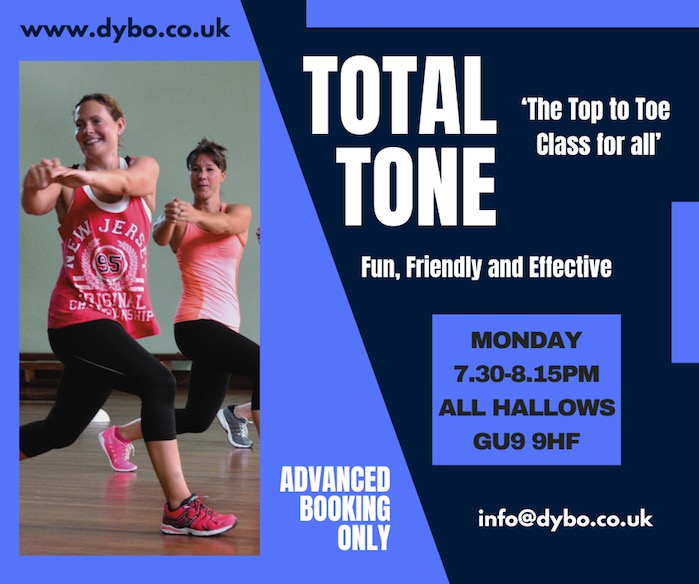
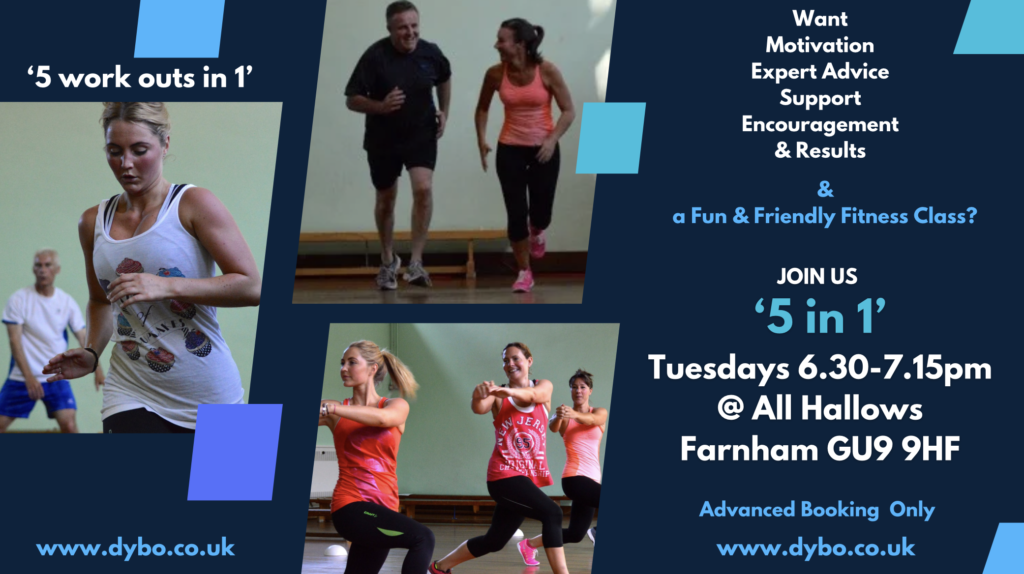
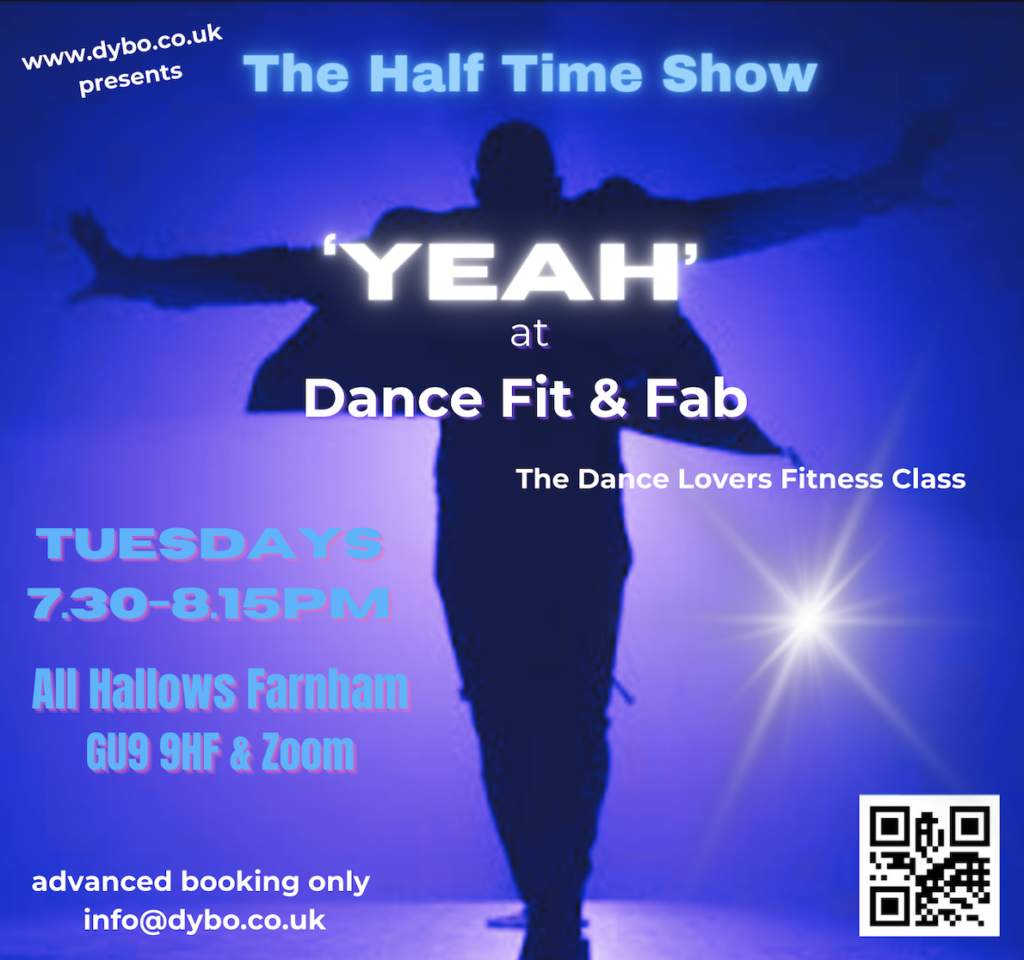
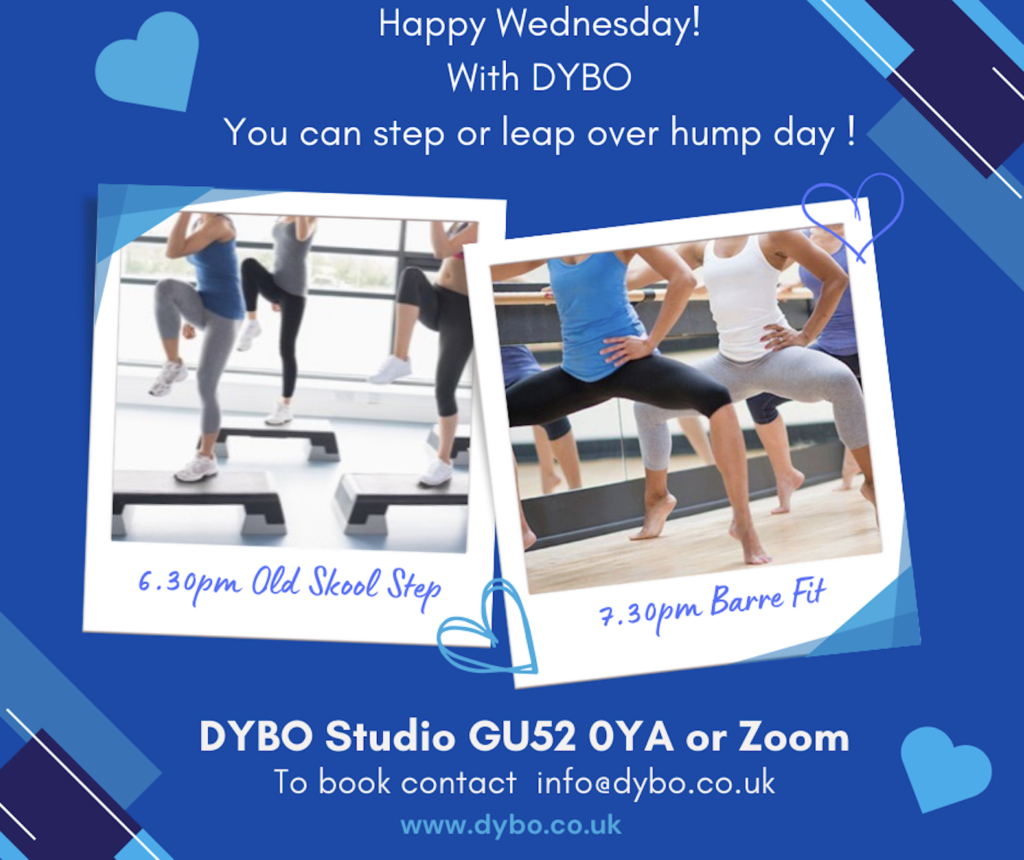
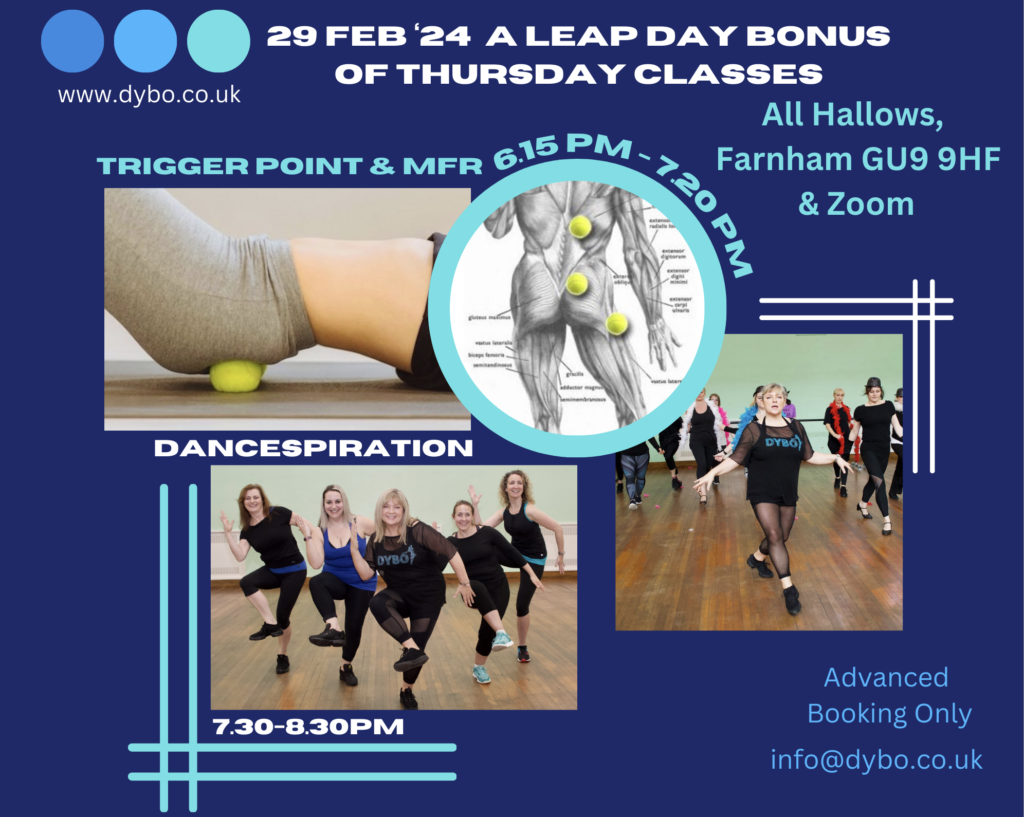
And feel free to come and try out…!
Heart Healthy Lentil Curry

Ingredients
- 2 tbsp vegetable oil (I use coconut)
- 2 medium onions cut into wedges or slices, as you prefer
- 4 tbsp curry paste (I like massala or red thai)
- 650ml vegetable stock
- 750g mixed vegetables, frozen or fresh, 4-5 different types
- 100g red lentils
- 200g rice (I use chickpea rice, it’s low in carbs, high in fibre and tasty)
- Handful of raisins, nuts and roughly chopped parsley
- Poppadoms/paratha and mango chutney, to serve
STEP 1
Heat the oil in a large pan. Add the onions and cook over a high heat for about 8 minutes or until they are golden brown. Stir in the curry paste and cook for a minute. Slowly pour in a little of the stock so it sizzles, scraping any bits from the bottom of the pan. Gradually pour in the rest of the stock.
STEP 2
Stir in the vegetables, cover and simmer for 5 minutes. Add the lentils and simmer for a further 15-20 minutes or until the vegetables and lentils are cooked.
STEP 3
While the curry is simmering, cook the rice according to the packet instructions, Drain well.
STEP 4
Season the curry with salt, toss in a handful of raisins and nuts and chopped parsley, then serve with the rice, poppadoms and chutney.
I’ve modified this from a BBC Good Food recipe.
Let me know what you think!
Can’t wait to hang with you this week and how exciting is it that we have an extra day to enjoy our classes!
Love ya,
Helen x

———————————————————————————————————————-
DYBO Live & Online – Next weeks Classes are as follows:.
At All Hallows, Farnham & DYBO Studio, Church Crookham (Book in Advance only): Zoom class details further down the page.
Monday (AH)
6.30-7.15pm: Boogie Fit
7.30-8.15pm: Total Tone – with bands, handweights and mat.
Tuesday (AH)
6.30-7.15pm: 5 in 1 Fitness – with bands, handweights and mat.
7.30-8.15pm: Dance Fit & Fab
Wednesday (DYBO Studio)
6.30pm Old Skool Step – Step, hand weights and band.
7.30pm Barre Fit – Something to assist balance like a barre, eg. chair, worktop, mantlepiece etc.
Thursday (AH)
6.15-7.20pm: Contemporary Stretch – various equipment used at each class, contact me for info.
7.30-8.30pm: Dancespiration
Friday (DYBO Studio)
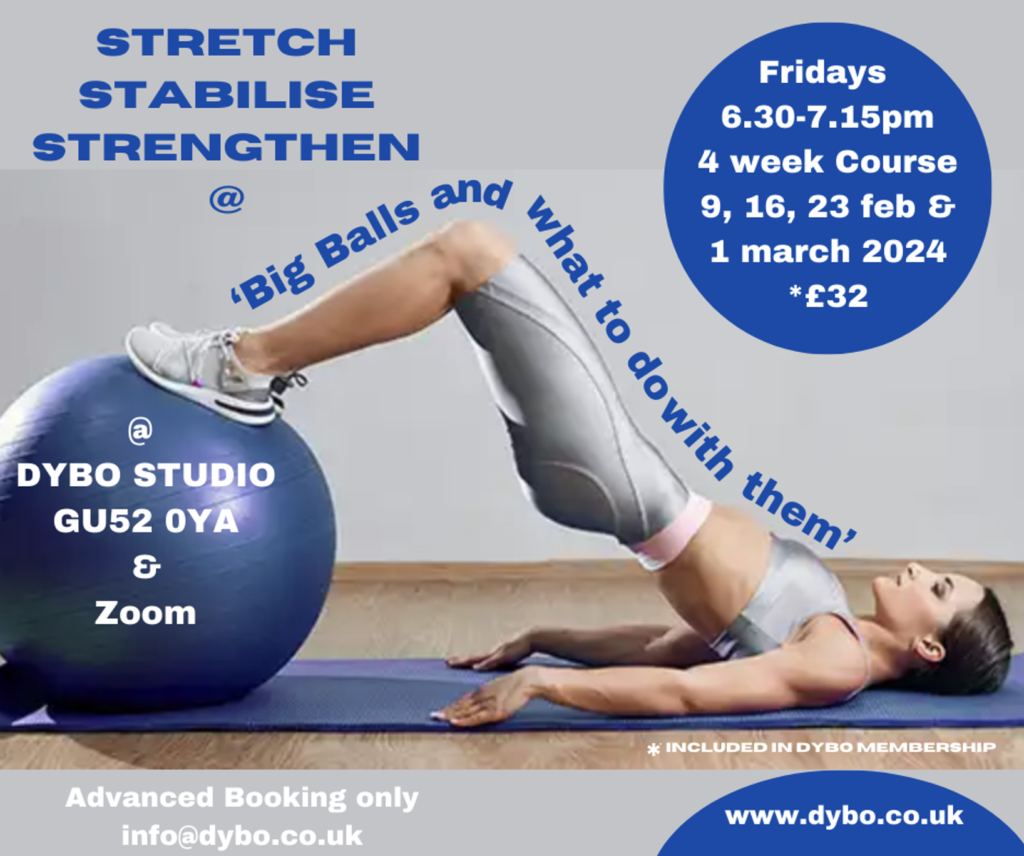
6.30-7.15pm: Big Balls and what to do with them (Course)
—————————————————————————————————-
Joining us at All Hallows or The DYBO Church Crookham Studio? – Protocols and Information
I’m so happy to be able to run Face to Face classes at All Hallows and at the DYBO Studio in Church Crookham. My primary objective is to ensure that we all have a wonderful time with effective and fun classes that are engaging, relaxed and of course, safe.
Preparation
1) Firstly ensure that you have booked by sending us an email info@dybo.co.uk confirming all the classes you wish to attend plus your payment method, be it as a member, using your voucher, or pay as you go. No on the door bookings or payments can be taken. Bookings are not refundable or transferable. I will keep records of all attending, please also keep a record of your own attendance too.
2) Preparing your kit bag/box. This depends upon the class you are attending.
Boogie Fit, Dance Fit and Dancespiration crew will only require your indoor trainers/dance shoes to change in to, sweat towel, and drink.
Total Tone and 5 in 1 crew – in order to prevent cross contamination currently I am not sharing equipment in a group exercise setting so you will need your mat, a resistance band and light hand weights/equivalent in addition to your trainers, sweat towel and drink.
Contemporary Stretch crew need a mat, band, chi ball and on the last Thursday of the Month you will need 2 x tennis balls and a sock for our Trigger Point and Myofascial release class !
3) Re borrowing equipment – if you would like to try a class or have forgotten equipment then you may borrow equipment on that occasion and please ensure that you sanitise it before and afterwards (sanitising products supplied). I can assist you with sourcing your own equipment inexpensively, moving forward.
On the night
*When you arrive at All Hallows, enter the school via the gates to the left as you face the school and follow the road around the school buildings.
*Please park in the playing courts and walk between the old school building and new sports hall, up a few steps on to the outside seating area, the studio door is to your right.
*Participants are required to arrive 5-10 mins before the class.
*Please change into your clean trainers for indoor activity as you enter, e.g. slip off your outdoor shoes, place your bag, walk to activity area then put indoor shoes on, the same in reverse to leave. This is to maintain the hygiene and cleanliness of the space, avoiding stones and glass being walked in and potentially causing injury and to protect the lovely new wood floor.
*The toilets are open to use but please arrive changed, ready for activity so as to keep use time minimal and avoiding queues.
*After a wonderful class change from your indoor trainers to outdoor shoes and sanitise your hands again if you wish.
*Please tell friends and family about our wonderful classes!
When joining me at the DYBO Studio (No.42, GU52 0YA) I will send information directly, including entrance code for the Studio and please note, advanced booking is required.
Fees, you have THREE options!
Please note that all Classes must be booked and paid for in advance and are non transferable or refundable.
Online payments only.
45 min Class – £8.00, 60/65 min Class – £8.50.
10 Class Voucher: £75 (to be used within 12 weeks of purchase).
Membership: £55, unlimited classes, plus a bonus of free access to all class recordings on our DYBO TV channel, and another bonus of a £5 discount for one to one services for current membership holders.
To be paid by the 1st day of the month (at the latest) and is valid from the first to last day of calendar month.
One full month’s notice of membership suspension/cancellation is required with one membership restart permitted within a 12 month period.
Bank details are UK Fitness Academy Ltd.
Sort Code 09-01-28, Acc No. 04284324
Please email me when you have made a payment and use your name and what it’s for as a reference. eg. Jane Smith Class Voucher
————————————————————————————-
Joining us on Zoom? – Links and Information
Monday
6.30pm: Boogie Fit
7.30pm: Total Tone
Tuesday
6.30pm 5 in 1 Fitness Class
7.30pm Dance Fit & Fab
Wednesday
6.30pm Old Skool, Step & Strength – Step, hand weights and band.
7.15pm Barre Fit – Something to assist balance like a barre, eg. chair, worktop, mantlepiece etc.
Thursday
6.15pm Contemporary Stretch
7.30pm Dancespiration
Friday
6.30pm Big Balls and what to do with them
****** All the above classes change and vary weekly! *****
How to prepare your Zoom environment
- You need space to move 2 side steps, 4 walks forward, 4 backward. Move trip hazards and furniture as much as you can (get help, be careful!) to give you maximum space for upper and lower body movement. Roll up rugs or secure them so they don’t slip or cause you to trip.
- Plugging your device in to your TV with an HDMI cable is brilliant as it gives you a good picture of you (like a mirror) and me – as well as boosting the sound if you go through the TV/Hi-Fi sound system. If you can place your device under the TV, then even better.
- I know some of you are using your phones – try to plug in to a speaker system (even those little speakers we have when we go on holiday would help) so that you can hear better as you move back from the phone. Angie has tried Bluetooth earphones and it worked well.
- Ensure you have maximum access to your Wi-Fi in the house and as close to the router as is feasible. Take phones off the Wi-Fi system and pop them on to your 4/5G network or place on airplane mode, unless that’s what you are using to join us, obviously. Ask family to do the same for the duration of your class – keep them off the internet whilst you need the bandwidth. The more bandwidth you have, the better the picture and sound and the less likely you are to lose the feed. Your health is a priority at this time and I’m sure they can do something else for that short time!
- Ventilate your exercise space, have plenty of water and towels to hand, keep your exercise equipment close – if you need anything, let me know.
- Wear correct footwear for your activity – putting an old pair of socks over the toes and ball of your trainers will help reduce friction when exercising on carpet (if they are a really old pair, cutting the toes open and then just having them over the ball of the foot is even better). It’s up to you if you want to dance or train in bare feet but be careful if you don’t usually do this as it takes time for the muscles and connective tissue of the feet and rest of the body to adapt to barefoot training.
- Make your own gym equipment. Save laundry liquid or milk bottles – you can fill them with water or wet sand/rice etc. to add weight and make a dumbell/kettlebell. I recommend you make a few in differing weights and you have written on them so you know what they weigh and seal the caps with tape to prevent leakage. Get a heavy duty shopping bag and put weighty items in it, check they can’t fall out and you have a kettlebell alternative. Make your own hurdles, put cushions, pillows, boxes, books on the floor to jump over. Use household items as floor markers for circuit activities. The stairs and outdoor steps are great temporary steps/benches for cardio and upper body work. The garden is a great open space to make an assault course or if you can get a signal, take your class or PT session outside, but do make it safe.
Disclaimer
I declare that all of the information I have given (both written and verbal) is accurate and truthful. I know of no reason why I cannot participate fully in any exercise programme and I do not deem it necessary to consult my medical Practitioner/GP/specialist. I undertake to inform my instructor should any information change.
I understand that I participate at my own risk and that any information given is not intended to replace or represent medical advice. I agree to comply with all terms conditions and class protocols and instructions as outlined above and whilst attending DYBO classes/training.
Do not attend classes if experiencing symptoms of Covid 19, Flu or airborne transmissible infection or have tested positive.
Attending any DYBO class will assume agreement with above terms and disclaimer.
